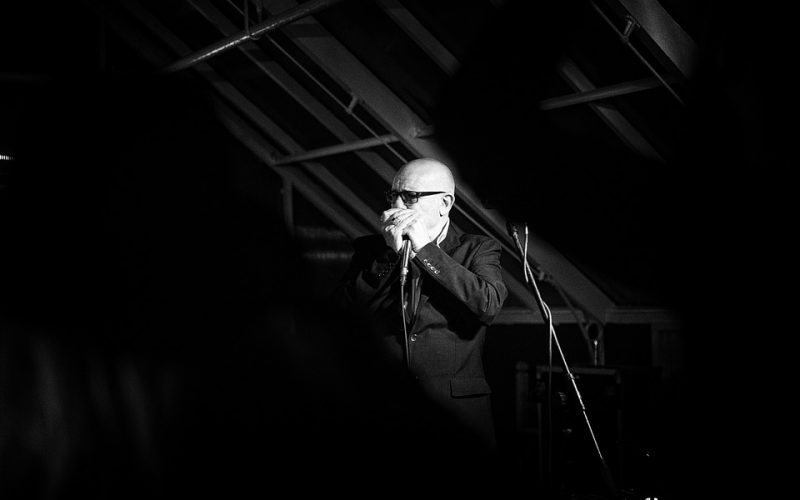
Stage presence is the ability to command attention and connect with your audience the moment you step into the spotlight. It is that magnetic quality that makes some performers impossible to ignore. While it may seem like an innate talent, stage presence is a skill that can be developed, refined, and strengthened over time.
Know your material inside out
Confidence on stage begins long before you step foot on it. When you know your material so thoroughly that it becomes second nature, your mind is freed from the anxiety of forgetting what comes next. That mental freedom allows you to focus on your delivery, your connection with the audience, and the nuances that make a performance truly memorable. Rehearse until the material feels like breathing — effortless and automatic.
Use your body intentionally
Your physicality communicates as much as your voice does. Slouched shoulders, a downward gaze, or fidgeting hands can undermine even the most technically skilled performance. Stand tall, make deliberate eye contact, and use gestures that feel natural yet purposeful. Every movement should serve the performance. Recording yourself during rehearsal is one of the most effective ways to identify habits you may not realise you have.
Embrace the silence
Many performers fear pauses, rushing to fill every moment with sound or movement. In reality, silence is one of the most powerful tools at your disposal. A well-timed pause draws the audience in, creates anticipation, and gives your words or notes room to breathe. Learning to sit comfortably in a moment of stillness is a hallmark of a truly seasoned performer.
Connect with your audience
A performance is not a one-way transmission — it is a conversation. Even in a large venue, you can create intimacy by making individual audience members feel seen. Shift your focus across different sections of the room, respond to the energy you receive, and let genuine emotion guide your expression. Audiences are remarkably perceptive; they can sense when a performer is truly present versus simply going through the motions.
Manage nerves without suppressing them
Performance anxiety is nearly universal, even among experienced professionals. Rather than trying to eliminate nerves entirely, the goal is to channel that energy productively. Controlled breathing techniques, physical warm-ups, and pre-show rituals can help regulate your nervous system before you go on. Over time, those nerves can become a source of sharpness and focus rather than fear.
Build stage presence through consistent performance
Ultimately, stage presence is cultivated through experience. Seek out every opportunity to perform, whether in front of large crowds or small ones. Each performance teaches you something new about yourself, your audience, and your craft. The discomfort of early performances gradually gives way to ease, and that ease is where genuine stage presence begins to flourish.